 1
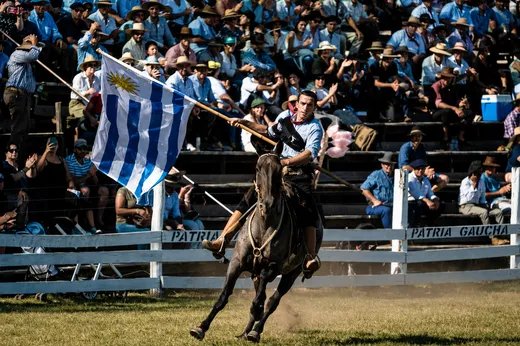
1 Equestrian show
The "Don Homero Formoso" Ring
The equestrian heart of the festival. Rodeo, colt roping, lasso throwing, bareback and saddle riding, herding displays. Pure gaucho adrenaline. Paid separately from the grounds entry.
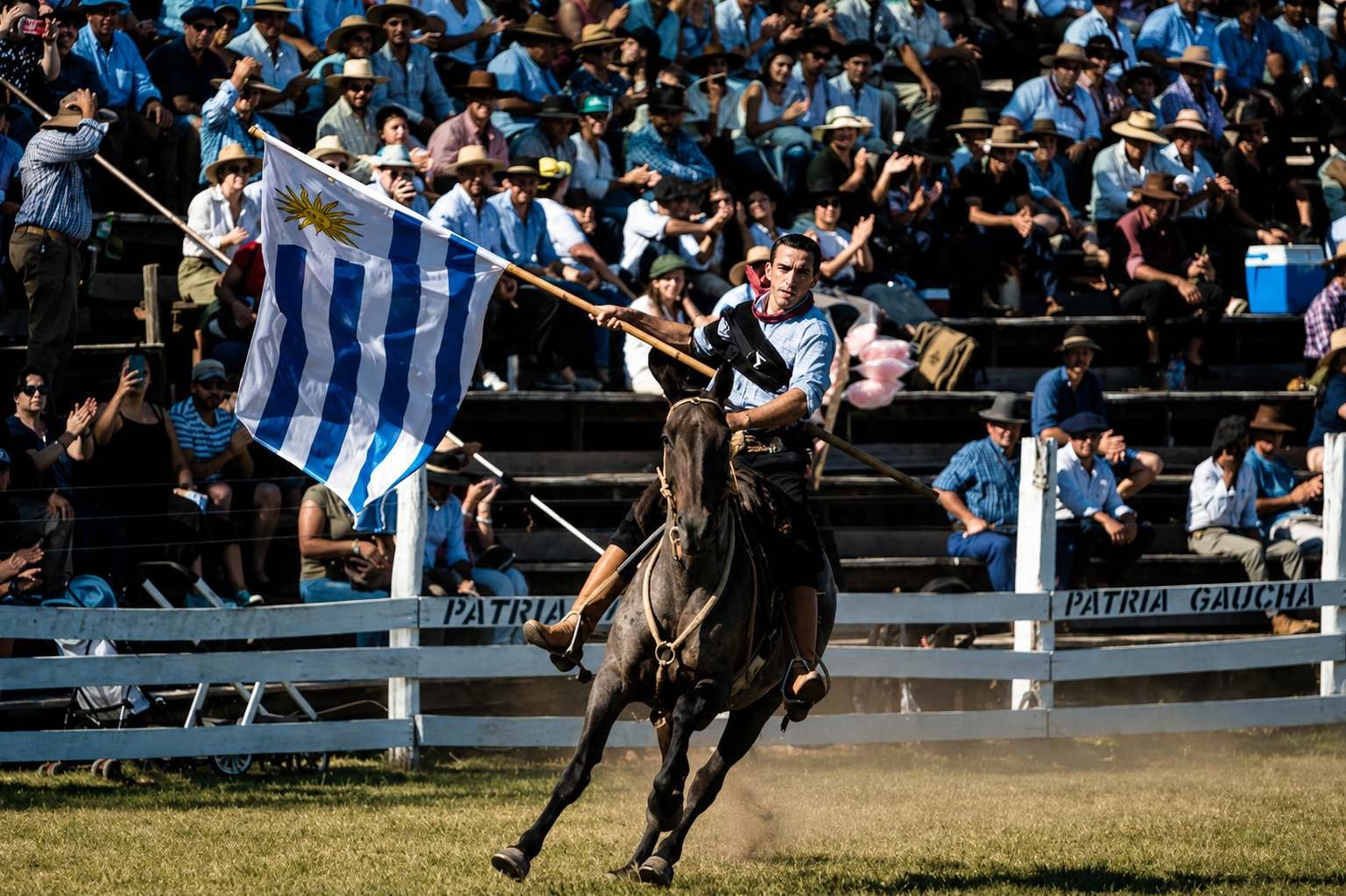
Uruguay's biggest celebration of gaucho tradition. Nine days of rodeo, music, traditional camps and country life, steps from El Arrayán.
Can't make it on festival days? During February you can watch the aparcerías being built — free and crowd-free. The traditional societies build their ranchos from scratch on the grounds, and guests staying at El Arrayán are 600 m away to see it.
See more ↓The Fiesta de la Patria Gaucha is Uruguay's biggest celebration of gaucho tradition: nine days of rodeo, bonfires and living country life that, every year in late February, turn Tacuarembó into the capital of criollo culture.
For those nine days, the Laguna de las Lavanderas grounds become the "biggest countryside in the homeland." It's not a show to watch from the sidelines — it's an immersion in country life: horses, bonfires, asado, mate, song, gaucho skills and traditional societies that recreate how rural life used to be.
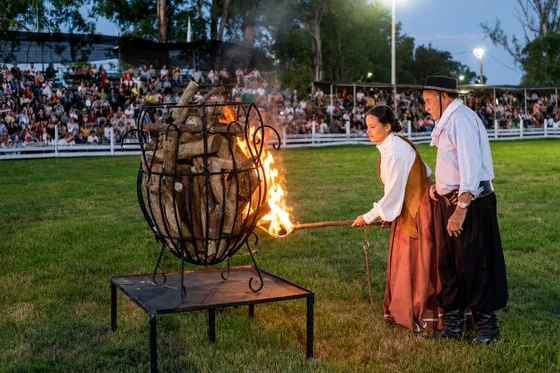
The Patria Gaucha was created by resolution of the Tacuarembó Departmental Board on December 18, 1986. The first edition was held in 1987. The 40th edition (2027) carries the motto: "40 years of tradition: gaucho legacy, living culture that unites generations."
Nine days of living country life. Tap each scene for the detail.
1 The equestrian heart of the festival. Rodeo, colt roping, lasso throwing, bareback and saddle riding, herding displays. Pure gaucho adrenaline. Paid separately from the grounds entry.
 2
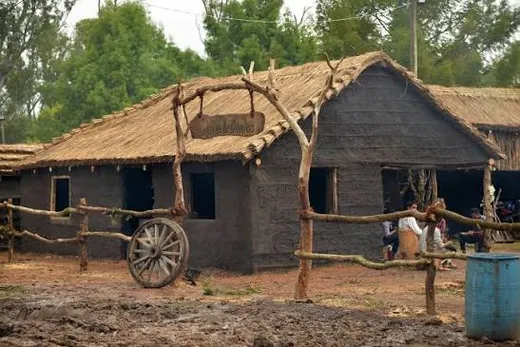
2 The soul of the festival. About 30 societies build ranchos and bonfires recreating rural life from colonial times to 1920, competing for the Gran Premio Patria Gaucha. Living history you can walk through and touch.
 3
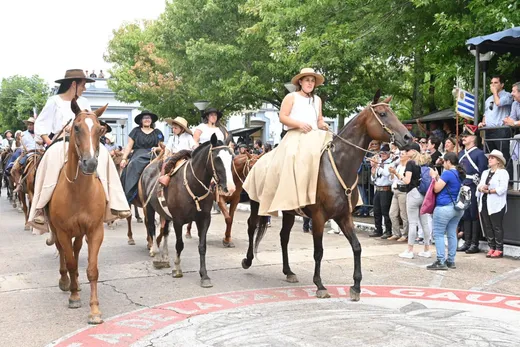
3 More than 4,000 horses with riders in traditional dress, riding a circuit through the city streets. It's open and free — you can watch from several points along the route, no grounds ticket needed. March 6, 2027 (last Saturday of the event) — plan around that day.
 4
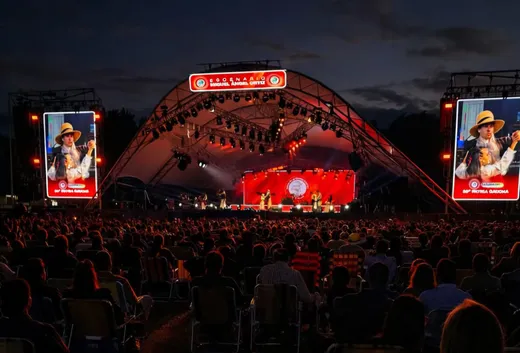
4 Shows every night with national and international folk and popular music artists. The line-up — and even the stage name — change every year.
 5
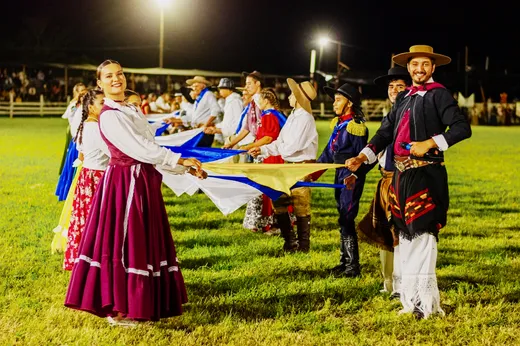
5 Payador duels (improvised verse contests), the Periconazo (mass pericón dance) and the lighting of the Fogón de la Tradición at the opening.
 6
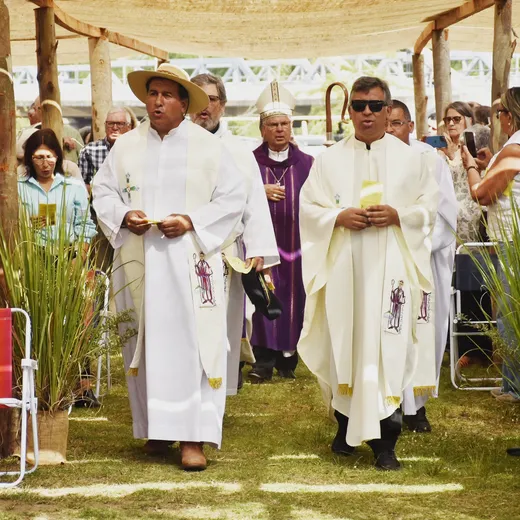
6 On closing Sunday: an open-air mass at the Escenario del Parque gathering hundreds of people. One of the most moving moments. Free admission.
 7
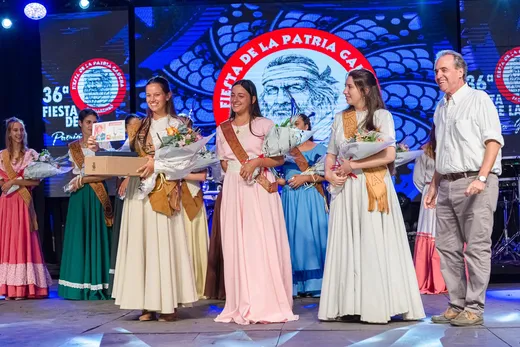
7 The election of the festival's representative: a central tradition of every edition, embodying criollo identity and spirit around a figure of the year.
 8
8 Leatherwork, raw wool ponchos, criollo food, folk dances and a craft fair. There are activities for kids (gaucho gymkhana, country games) — suitable for the whole family.
Tap each dish to learn more.
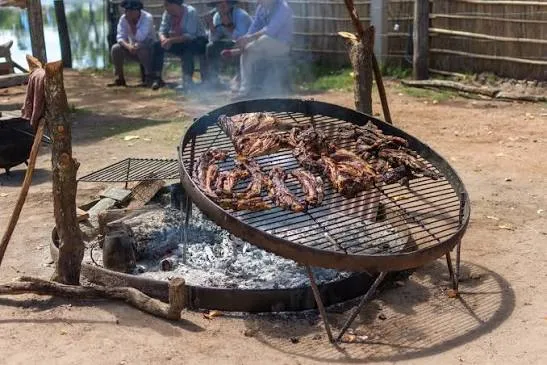
Beef and offal over wood embers, on a cross spit or criollo grill. The aparcerías grill all festival long — the aroma guides you on its own.
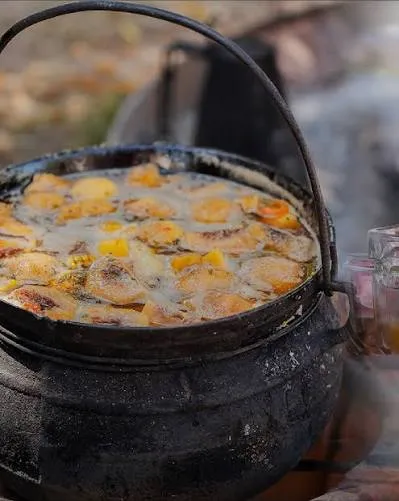
Puchero, stew, carbonada and casseroles slow-cooked in a cast-iron pot over the fire. Hearty and comforting — real country dishes.

Grilled chorizo in a bun, with salsa criolla or chimichurri. The classic of the grounds’ stands — quick, cheap and hard to beat.
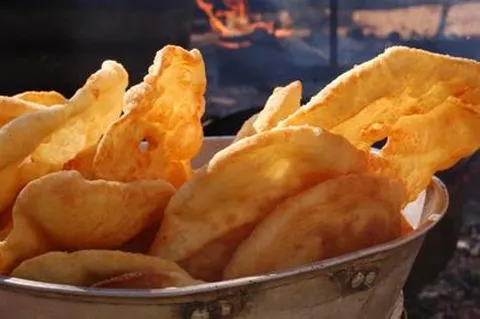
Dough fried in fat or oil, fluffy inside and crisp outside. Eaten with sugar, dulce de leche or just plain — the most criollo snack of all.

Homemade flan with dulce de leche, quince paste, candied squash, pastafrola and rice pudding. The flavors that close any country table.
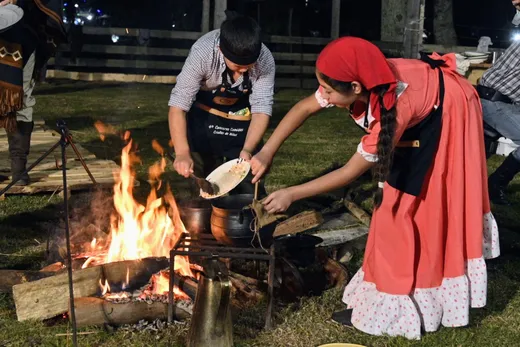
Two tips you won’t find in the brochures: if you wander into the aparcerías during the festival, they’ll often offer you a taste of what they’re cooking — don’t turn it down. And look for the criollo cooking contest, where different groups cook traditional dishes in the open. Worth stopping to watch (and smell).
In the weeks before it starts, the grounds become an open-air workshop. The ~30 traditional societies arrive and build their aparcerías from scratch: ranchos, taperas and bonfires raised with real materials (mud, wattle, tiles, brick), as period reconstructions. Everything is built for the festival and torn down afterwards — what you see one year never exists the same way again.
For the 40th edition (starting February 27, 2027), the build-up happens during February — mostly the two weeks before it starts.
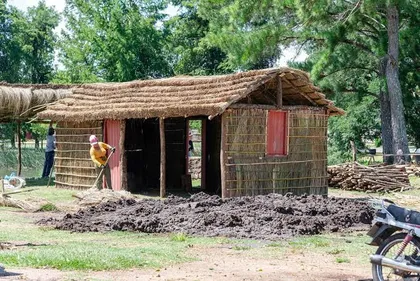
You walk in freely, stroll among the structures and talk with the people building them — gauchos, families, whole societies who proudly explain that year's project.
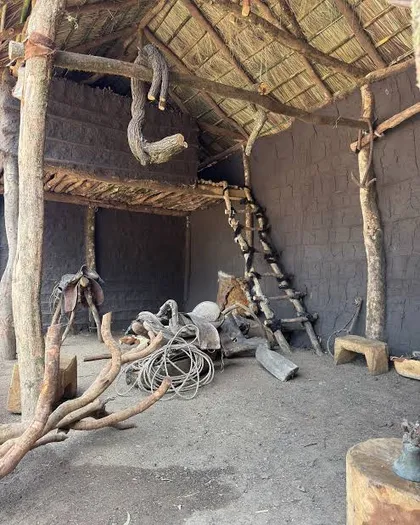
Intimate and calm. For anyone who wants the essence without the crowds of peak days, the build-up is the perfect window.
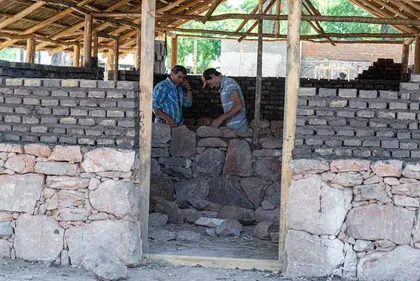
Watching the reconstructions come to life — and some aparcerías arriving on horseback after days on the road — is a spectacle in itself.
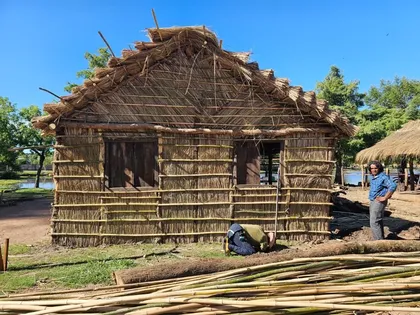
If you can't come for the 9 days, the previous weeks are your window. After the festival the grounds close while everything is taken down.
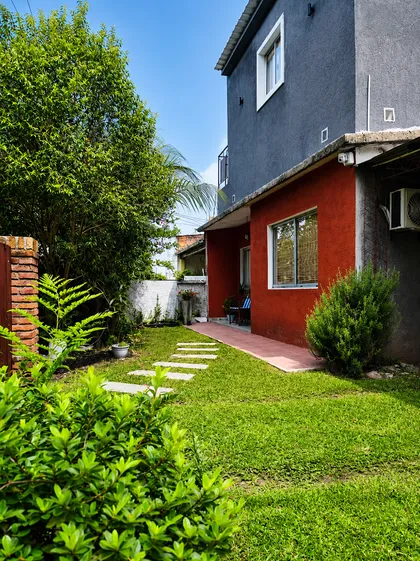 600 m from the grounds
 "Can't make it to the festival? Come see it being born — in February 2027 — and stay 600 m from the grounds."
We’re Alejandro and Yanet, your hosts. You book directly over WhatsApp, no middlemen, and we help you plan your days: when to head to the grounds, which aparcerías not to miss and how to get around without a car.
Saturday, February 27 — Sunday, March 7, 2027
9 days · Laguna de las Lavanderas, Tacuarembó
Laguna de las Lavanderas grounds
The same grounds that are 600 m from El Arrayán. During the Patria Gaucha, traffic and parking get complicated — from El Arrayán you walk in and out without relying on a car or a late-night drive back.
Note: 2027 starts earlier than usual (late February, not March like other years). Dates are set by the Organizing Committee and vary every year.
There are usually bank promotions with cashback on ticket purchases. They vary every year — check when buying.
Once you're in Tacuarembó you can leave the car behind: the grounds and El Arrayán are steps from each other.
About a 5-hour drive.
Direct service (companies like Agencia Central or Turil), 5 to 6 hours, several departures a day. Confirm schedules and fares before traveling.
From the Rivera / Santana do Livramento border crossing, about 1 hour 20 minutes.
Direct service with Turil from the Rivera Terminal, already on the Uruguayan side. Confirm schedules before traveling.
Plan to arrive with time to spare and stay 600 m from the grounds: during the festival, traffic and parking near the venue get very complicated. See where to stay →
Reference prices — 2026 edition. 2027 prices are published closer to the date.
Monday and Tuesday are free. Kids up to 12, always free.
Ranges $300–$650 depending on the day. Includes shows and traditional camps.
Every day of the festival on a single ticket. The best-value option.
Best valuePaid separately from the grounds entry. Up to $450 for reserved seating.
| Saturday (opening) | $650 |
| Sunday | $400 |
| Monday | Free |
| Tuesday | Free |
| Wednesday | $300 |
| Thursday | $450 |
| Friday | $650 |
| Saturday (parade) | $600 |
| Sunday (closing) | $400 |
| 9-day pass | $2,800 |
| Friday | $250 general |
| Saturday | $400 general · $450 reserved |
| Sunday | $400 general · $450 reserved |
Paid separately from the grounds · free only up to age 3
Day passes and full passes available. There are usually bank promotions — check when buying.
Book your stay early. Demand for the Patria Gaucha spikes months in advance. El Arrayán, 600 m from the grounds, is one of the most sought-after options and one of the first to fill up.
During the Patria Gaucha, Tacuarembó fills up and lodging near the grounds is the first thing to sell out. El Arrayán is, literally, one of the closest options there is.
Direct booking on WhatsApp, hosted by Alejandro and Yanet. Two windows to visit: festival days or the February build-up.